When procuring construction machinery, the biggest mistake in crane selection is buying a unit that is too large (leading to idle equipment), too small (causing project delays), or unsuitable for the site. Although mobile, tower, and overhead cranes all serve lifting purposes, their operational logic differs significantly. For purchasers and engineering contractors, understanding the boundaries between these three types is far more important than simply comparing their tonnage.
1. Core Boundaries: Workspace and Mobility Needs
Mobile Cranes (Truck-mounted & Crawler Cranes): Their main advantage is mobility. They can relocate independently, making them ideal for scattered construction sites and tasks with varying locations. The downside is that they require outriggers to be deployed, demanding high ground-bearing capacity.
Tower Cranes: Their main advantage is coverage. Fixed at a corner of the site, they are perfect for long-term, large-scale vertical and horizontal transport in high-rise construction. The downside is that installation and dismantling are time-consuming, making relocation expensive.
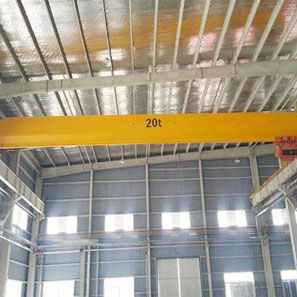
Overhead Cranes (Bridge Cranes): Their main advantage is fixed handling within factories. Operating on rails, they are ideal for precise lifting and assembly-line coordination inside workshops. The downside is their fixed operating path; they cannot operate outside the factory.
Summary: Choose mobile cranes for scattered sites and frequent relocation; tower cranes for large-scale high-rise coverage; and overhead cranes for fixed indoor material handling.
2. Application Matching: Specific Operational Scenarios
Construction & Infrastructure: Mobile cranes are the primary workhorses for bridge erection and steel structure installation. Tower cranes are specialized for the main structural construction of high-rise residential and commercial complexes.
Factories & Workshops: Overhead cranes are the standard choice. They save floor space and are perfect for repetitive tasks like mold handling and product loading/unloading.
Heavy Equipment Installation: For large-scale component hoisting in wind power and petrochemical projects, crawler cranes are the top choice due to their massive lifting capacity and strong ground adaptability.
3. Parameter Verification: Tonnage is Not the Only Metric
Lifting Capacity vs. Working Radius: You must confirm the rated lifting capacity at the actual working radius, rather than just looking at the nominal maximum tonnage.
Lifting Height: Mobile cranes are limited by boom length, whereas tower cranes can achieve ultra-high lifting through their mast and wall-tying (anchoring) systems.
Duty Class (Crucial for Overhead Cranes): Classes range from A3 to A7, corresponding to different usage frequencies. Heavy-duty, high-frequency workshops must choose a higher class to prevent structural fatigue.
Ground & Foundation Conditions: Mobile cranes require ground-bearing capacity calculations; tower cranes need independent foundations; overhead cranes require confirmation of the factory’s runway beam capacity.
4. Cost Assessment: Calculate the Total Lifecycle Cost
Mobile Cranes: Major costs involve relocation, tire maintenance, and hydraulic system upkeep.
Tower Cranes: Costs are concentrated in labor for assembly/disassembly, auxiliary equipment, and foundation construction.
Overhead Cranes: Costs are relatively controllable, but investments in runways and factory structural support must be factored in.
Decision Logic: For long-term projects with fixed locations, tower and overhead cranes offer a lower unit cost. For scattered sites with frequent relocation, mobile cranes provide higher overall efficiency.
5. Selection Decision Checklist
Define Workspace: Open site, high-rise building, or enclosed factory?
Define Duration: Short-term project or long-term fixed operation?
Verify Parameters: Lifting capacity at the actual working radius, lifting height, and duty class.
Evaluate Site: Ground-bearing capacity, foundation conditions, and runway support capabilities.
Calculate Total Cost: Combine purchase price, assembly/disassembly fees, relocation costs, and maintenance/energy consumption.
There is no “absolute best” crane selection—only the “most suitable” one. If you are evaluating a crane solution for a specific project, please feel free to contact us. Based on your operational environment, lifting parameters, and project timeline, we will provide precise equipment recommendations and tailored technical solutions.
If possible, kindly suggest please your working industry/process, working pressure, working medium, etc. Given detailed request helps to gain better-matched customized solution. Thanks for your patience.
your request will be responsed within 3 hours, kindly pay attention to your email please.