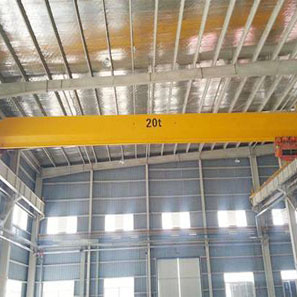
In large-scale construction projects such as high-rise buildings, bridges, and industrial plants, the Tower Crane (Tower Crane) serves as the core equipment for vertical transportation and horizontal lifting. It undertakes the lifting tasks for various materials including steel bars, concrete, formwork, and equipment. With significant advantages such as high lifting height, large working radius, and high operational efficiency, the tower crane has become an indispensable key device in modern construction.
Our company is dedicated to the research and development, manufacturing, and sales of high-quality tower cranes, providing safe, efficient, and reliable lifting solutions for customers domestically and internationally.
What is a Tower Crane?
A tower crane is a rotating crane featuring a tower mast structure, capable of slewing and luffing movements. Its basic structure consists of the mast, jib (lifting arm), counter-jib (balance arm), slewing mechanism, hoisting mechanism, luffing mechanism, climbing mechanism, and control system. The equipment can be raised section by section via a climbing system, allowing it to rise synchronously with the building height to meet the lifting demands of high-rise construction.
Based on differences in structure and application, tower cranes are classified into various types, such as upper-slewing and lower-slewing cranes, self-erecting and fixed cranes, and flat-top and hammerhead cranes, adapting to construction needs under different working conditions.
Performance Characteristics
High Lifting Height: Through the addition of mast sections and a hydraulic climbing system, the tower crane can rise synchronously with the building. The maximum independent height can reach dozens of meters, while the height with attachments can reach hundreds of meters, meeting the requirements of super high-rise construction.
Wide Working Radius: The jib length can be selected according to construction needs, typically ranging from 40 to 80 meters. This covers the entire work area, reduces the frequency of equipment relocation, and improves construction efficiency.
Strong Lifting Capacity: Depending on the model, the maximum lifting capacity ranges from several tons to dozens of tons, satisfying the lifting requirements for large components and heavy equipment.
High Operational Efficiency: Equipped with the ability to coordinate hoisting, slewing, and luffing actions, and paired with a variable frequency speed control system, it achieves smooth starting and braking, significantly shortening the lifting cycle.
High Safety and Reliability: It is equipped with a full set of safety devices, including a torque limiter, load limiter, radius limiter, height limiter, and slewing limiter, ensuring safe operation under various conditions.
Easy Installation and Dismantling: Adopting a modular design and hydraulic climbing system, it allows for rapid installation, dismantling, and climbing, reducing on-site preparation time.
Tower Crane Structural Components
Mast (Tower Body): Composed of standard sections made of high-strength steel, connected by bolts or pins to form a stable supporting structure.
Jib (Lifting Arm): Adopts a truss structure with a triangular or trapezoidal cross-section, offering good bending and torsional resistance. A load trolley runs along the jib to perform luffing actions.
Counter-Jib (Balance Arm): Located on the opposite side of the jib at the top of the mast, used to install the hoisting mechanism, counterweights, and balance weights to ensure overall stability.
Slewing Mechanism: Connects the mast and the upper structure via a slewing bearing, driven by a slewing reducer to achieve 360-degree full rotation.
Hoisting Mechanism: Composed of a motor, reducer, drum, and wire rope to lift and lower the hook. It utilizes variable frequency technology for precise positioning.
Luffing Mechanism: Drives the load trolley along the jib to change the working radius.
Climbing Mechanism: Uses hydraulic cylinders and a climbing frame to add mast sections, allowing the equipment to rise with the building.
Control System: Uses a PLC or integrated electrical control system to coordinate actions, equipped with a human-machine interface and remote monitoring capabilities.
Tower Crane Application Areas
High-rise Building Construction: Suitable for vertical transportation of materials in residential, office, and commercial buildings.
Bridge Engineering: Used for lifting piers, beams, and deck components in large bridge projects.
Industrial Plant Construction: Applicable for equipment installation and material lifting in steel structure workshops, power plants, and chemical plants.
Infrastructure Construction: Used for material transportation and equipment lifting in subway stations, tunnels, and hydropower stations.
Prefabricated Construction: Suitable for lifting PC components such as prefabricated walls, floor slabs, and stairs.
Tower Crane Technical Parameters and Customization
Our tower crane product range is comprehensive, covering various models from 40 ton-meters to 500 ton-meters and above.
Tower Crane Typical Technical Parameters:
Lifting Moment: 40-500 ton-meters and above
Max. Lifting Capacity: 4-32 tons
Max. Working Radius: 40-80 meters
Independent Height: 40-80 meters
Attached Height: Up to over 300 meters
Hoisting Speed: 0-100 m/min (Variable Frequency)
Slewing Speed: 0-0.8 r/min
Luffing Speed: 0-60 m/min
Control Method: PLC control system, remote monitoring optional
We provide full-process technical support and customized services, ranging from equipment selection and foundation design to installation and dismantling, based on customer construction conditions and lifting requirements.
If possible, kindly suggest please your working industry/process, working pressure, working medium, etc. Given detailed request helps to gain better-matched customized solution. Thanks for your patience.
your request will be responsed within 3 hours, kindly pay attention to your email please.